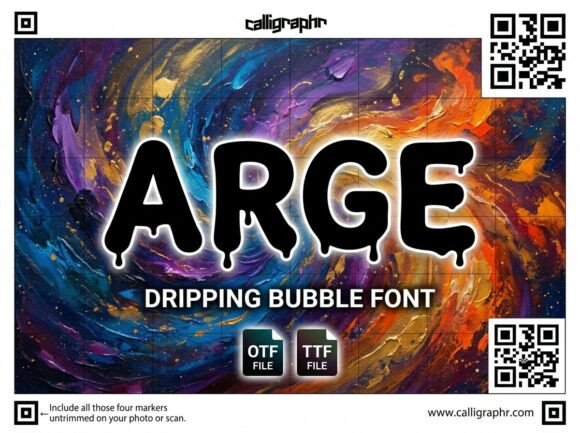
Arge: Elevate Your Brand with a Bold Display Typeface
In the crowded world of visual communication, standing out requires more than just good ideas; it demands a distinctive voice. That’s where a typeface like Arge steps in, offering a powerful solution for creators and designers aiming to make an immediate, memorable impact. This decorative display font isn't just another letter set—it's a centerpiece designed to command attention and infuse projects with artistic flair and a strong, modern aesthetic.
Understanding the Power of a Display Typeface
Typography is a fundamental pillar of graphic design, directly influencing mood, readability, and brand perception. While body text fonts prioritize clarity at small sizes, display typefaces like Arge are crafted for the spotlight. They are the tool of choice for headlines, logos, and any element that needs to be seen and felt first. Arge’s all-caps design is intentional, creating a uniform, impactful block of text that eliminates visual noise and directs the viewer’s focus squarely on the message.
Practical Applications for Modern Creators
The versatility of a well-designed display font extends across numerous creative and professional domains. Here’s how integrating Arge can transform your work:
- Branding & Logo Design: A logo is the cornerstone of brand identity. Arge’s distinct personality helps craft logos that are not only recognizable but also convey a specific character—be it luxury, avant-garde, or contemporary. It ensures your brand mark has the strength to stand alone.
- Marketing & Advertising: From digital ads to print posters, bold headlines are crucial for stopping scrolling thumbs and capturing interest. Arge provides the high-contrast, eye-catching letterforms needed for effective call-to-action statements and campaign taglines.
- Social Media Graphics: In a fast-paced feed, visual hierarchy is everything. Using Arge for key quotes, announcements, or profile graphics helps create a consistent and professional look that elevates your social media presence beyond standard templates.
- Packaging & Editorial Design: On a shelf or a page, first impressions are visual. This typeface excels in packaging design for product names and in editorial layouts for chapter titles or pull quotes, adding a layer of sophistication and visual interest.
- Web & UI Design: Strategic use of a display font on a website’s hero section, feature titles, or navigation elements can significantly enhance user engagement and establish a strong visual hierarchy, guiding visitors through your content.
Tips for Effective Typographic Integration
Integrating a new creative asset into your design workflow requires thoughtful consideration to ensure it enhances, rather than disrupts, your project’s cohesion.
- Prioritize Contrast and Pairing: A display font like Arge performs best when paired with a clean, highly legible sans-serif or serif for body text. This contrast creates a balanced visual hierarchy, allowing each typeface to fulfill its role without competing.
- Consider Your Audience and Context: Ensure the font’s artistic style aligns with your brand’s voice and your audience’s expectations. A bold, decorative typeface might be perfect for a fashion brand but less suitable for a formal corporate report.
- Test for Scalability: Always preview your typography at various sizes. A headline that looks stunning on a billboard must also remain clear and impactful when scaled down for a mobile screen or a business card.
- Leverage Technical Specifications: Understanding the included file formats (OTF and TTF) is key. OTF files are ideal for professional software with advanced typographic features, while TTF ensures broad compatibility, making your workflow seamless across different platforms and applications.
Ultimately, the tools you choose define the quality of your output. Selecting a typeface like Arge is an investment in visual impact and brand distinctiveness. By pairing its strong character with thoughtful design principles—consistency, readability, and strategic application—you can transform ordinary layouts into compelling visual stories. In a landscape where attention is the ultimate currency, the right creative assets are not just decorative; they are essential for effective communication and lasting professional appeal.