Retro Style: Dramatic Brush Calligraphy for Modern Design
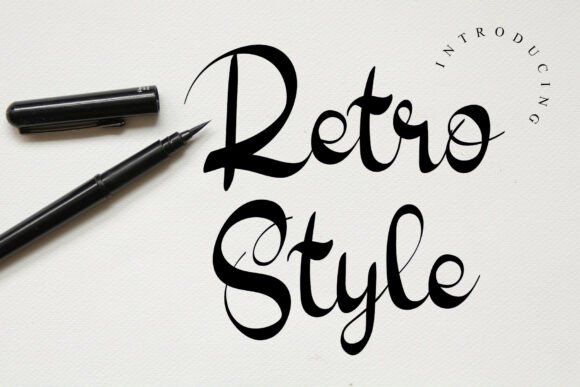
Imagine your design instantly transporting viewers to a bygone era of glamour and craftsmanship, all through the power of a single font. This is the dramatic impact that the Retro Style bold brush calligraphy font delivers. It’s not just a typeface; it’s a direct conduit to mid-century elegance, mimicking the expressive, high-contrast strokes of a real flexible brush pen. For designers seeking to inject a sense of hand-crafted mastery and vintage flair into their work, this asset is a game-changer.
Understanding the Visual Language of Retro Style
At its core, the Retro Style font is a study in dynamic contrast. Its design features pronounced transitions between thick, confident body strokes and ultra-fine, delicate loops. This isn't merely decorative; it creates a natural visual hierarchy and a fluid, rolling rhythm that guides the eye. The letterforms feel alive, possessing an undeniable sense of motion and sophistication that static, geometric fonts often lack. This characteristic makes it exceptionally effective for high-impact typography where headline presence is crucial.
In modern graphic design, typography is a primary vehicle for brand personality. The choice of font speaks volumes before a single word is read. A bold, sweeping calligraphy style like this communicates luxury, artistry, and a respect for tradition, making it a powerful tool for visual communication in a crowded digital landscape.
Practical Applications Across Creative Projects
The true value of a design asset lies in its versatility. Retro Style excels in applications where a premium, memorable aesthetic is required. Its elegant charm makes it a standout choice for a variety of professional contexts:
- Brand Identity & Logo Design: Create instantly recognizable boutique logos for fashion, cosmetics, or artisanal goods. The font’s character helps establish a brand identity rooted in quality and timeless style.
- Packaging Design: Elevate product presentation on luxury packaging, from gourmet foods to beauty products, signaling a premium offering on the shelf.
- Marketing & Advertising: Design glamorous event invitations, vintage-themed social media graphics, or impactful advertising campaigns that demand attention.
- Editorial & Web Design: Use it for striking book covers, magazine headers, or as a hero element in web design to create a dramatic focal point that enhances user experience.
- Digital Products & Merchandise: Apply it to digital product titles, print-on-demand merchandise, or artistic poster designs for a cohesive, professional presentation.
Tips for Effective Integration
When incorporating a strong stylistic font like Retro Style, thoughtful application is key to maintaining clarity and impact. Here are practical considerations for your design workflow:
- Prioritize Readability: Use it for headlines, logos, or short, impactful phrases. Its intricate details are best showcased at larger sizes. For body text, pair it with a clean, highly legible sans-serif or serif font to ensure optimal readability and a balanced visual hierarchy.
- Consider Your Audience: The vintage flair resonates powerfully with audiences appreciating craftsmanship, luxury, and nostalgia. Ensure the style aligns with your target demographic's expectations and the project's overall message.
- Harmonize with Your Color Palette: The font’s bold strokes work beautifully with rich, deep colors, metallic foils, or muted, earthy tones that complement its mid-century roots. A cohesive color palette strengthens the entire brand system.
- Test for Scalability: Always test the font at various sizes, especially for applications ranging from large-format print design to small UI elements, to ensure it retains its intended elegance and legibility.
Ultimately, the most successful designs are those where every element serves a purpose, both aesthetically and functionally. Choosing a creative asset like the Retro Style font is an investment in quality and intention. It demonstrates an understanding of how typography can shape perception, tell a story, and create an emotional connection. By thoughtfully integrating such resources, designers and creators can elevate their work from merely visual to truly communicative, ensuring their projects not only look polished but also resonate deeply with their intended audience.